

Wind Power
Internal cracks, voids, and other defects in wind turbine blades are difficult to detect, leaving critical blind spots in conventional inspections. Industrial AI acoustic monitoring system provides 24/7 continuous sound acquisition, automatically identifying faults and issuing early warnings for wind turbine defects.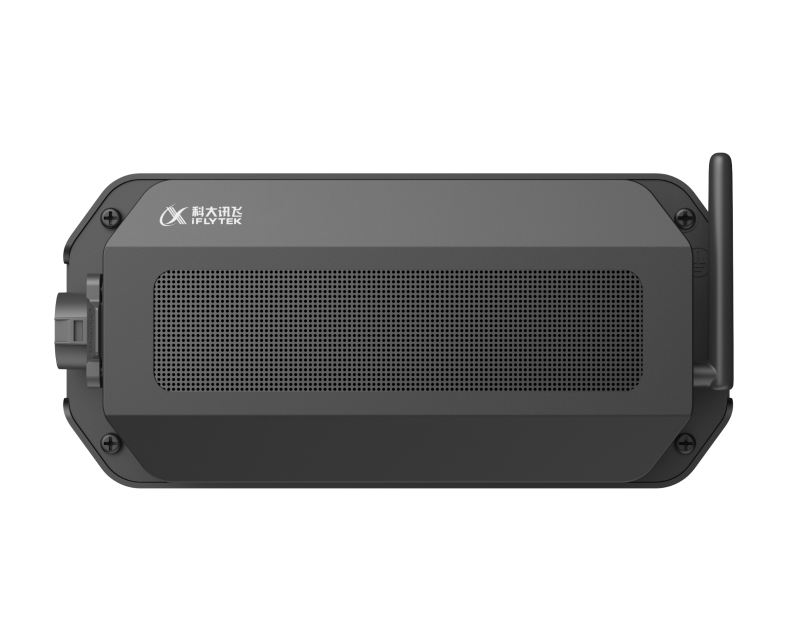
AI Acoustic Signature Monitoring Solution
8-mic Industrial Microphone (Wind-Turbine-Scene-Dedicated)
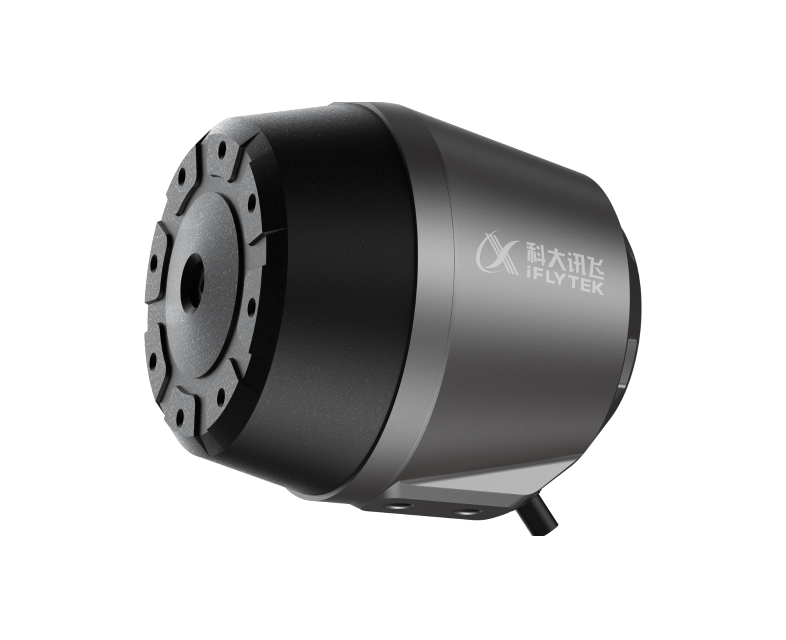
AI Acoustic Signature Monitoring Solution
8-mic Industrial Microphone
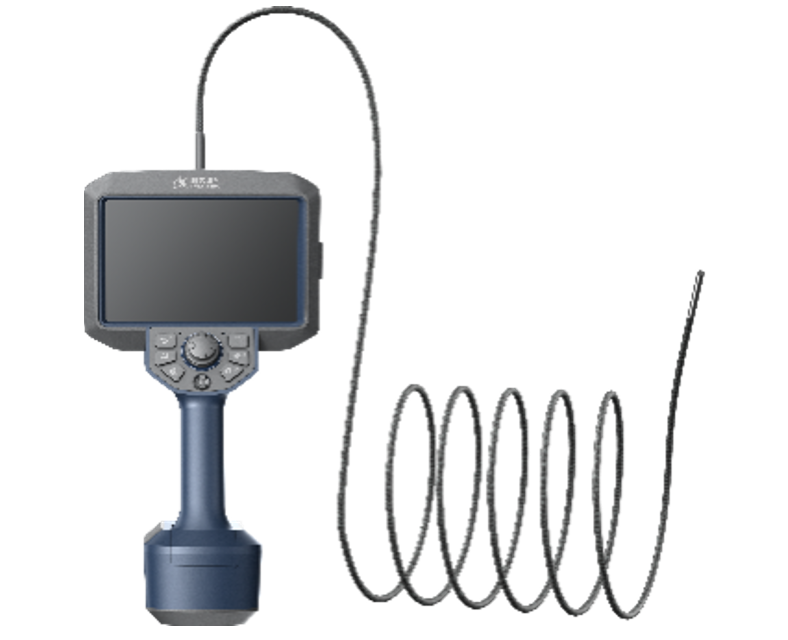
AI 3D Borescope
AI 3D Borescope
Customer Case
CHD Ningxia Builds Smart Unmanned Renewable Energy Stations with iFLYTEK solutions
Application Scenario
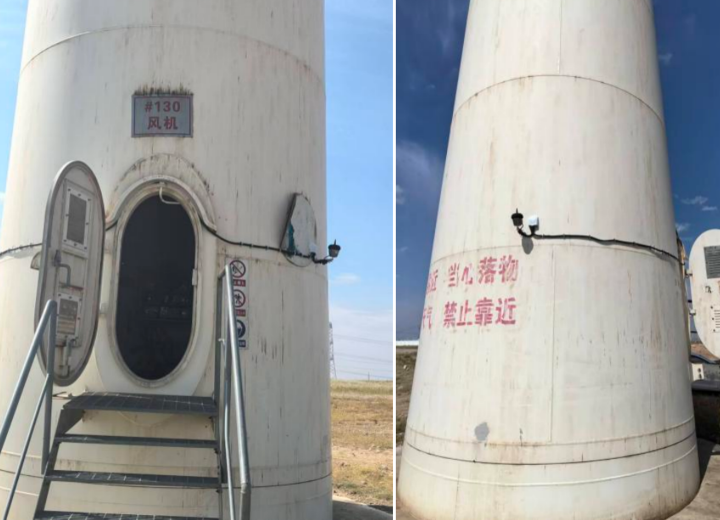
Located in harsh Gobi desert environments, CHD Ningxia’s renewable energy stations faced challenges with early incipient equipment defects that traditional monitoring methods missed. By deploying the iFLYTEK AI Industrial Microphones, the facilities achieved 24/7 continuous acoustic monitoring and established dynamic Acoustic Health Profiles for critical assets, enabling precise detection of wind turbine blade anomalies before fault escalation. Integrated with hydrogen-powered drones and autonomous inspection robots, the system forms a closed-loop O&M workflow from sensing to resolution. This multi-agent synergy significantly boosts early flaw detection rates while saving ~3,000 inspection hours per station annually, serving as a scalable benchmark for intensive renewable asset management.
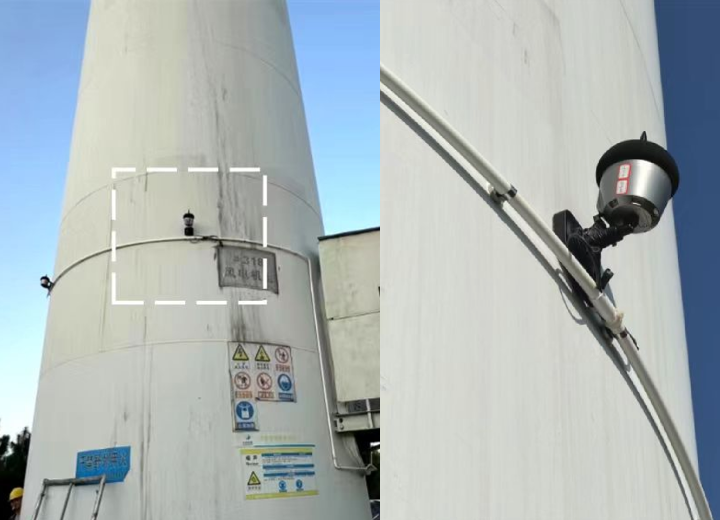
Blade Monitoring for a 600 MW Wind Farm in Extreme North China
Application Scenario
A 600 MW wind farm in North China faced severe sub-zero temperatures (dropping to -30°C) and heavy wind-and-snow acoustic interference that degraded traditional monitoring methods. iFLYTEK customized a cold-resistant and noise-filtered wind turbine blade defect monitoring system, deploying IP66-rated low-temperature microphone arrays across 80 wind turbines capable of 24/7 stable operation from -40°C to 70°C. The system achieved a 90% detection rate for blade cracks ≤2 cm, successfully flagging 3 incipient blade erosion and cracking faults well before escalation. This early intervention helped the operator reduce annual O&M costs (OPEX) by 18%, delivering a proven, resilient model for extreme-weather renewable energy operations.
Contact Us